




Why Do Knees Hurt More in Winter? Causes, Remedies .
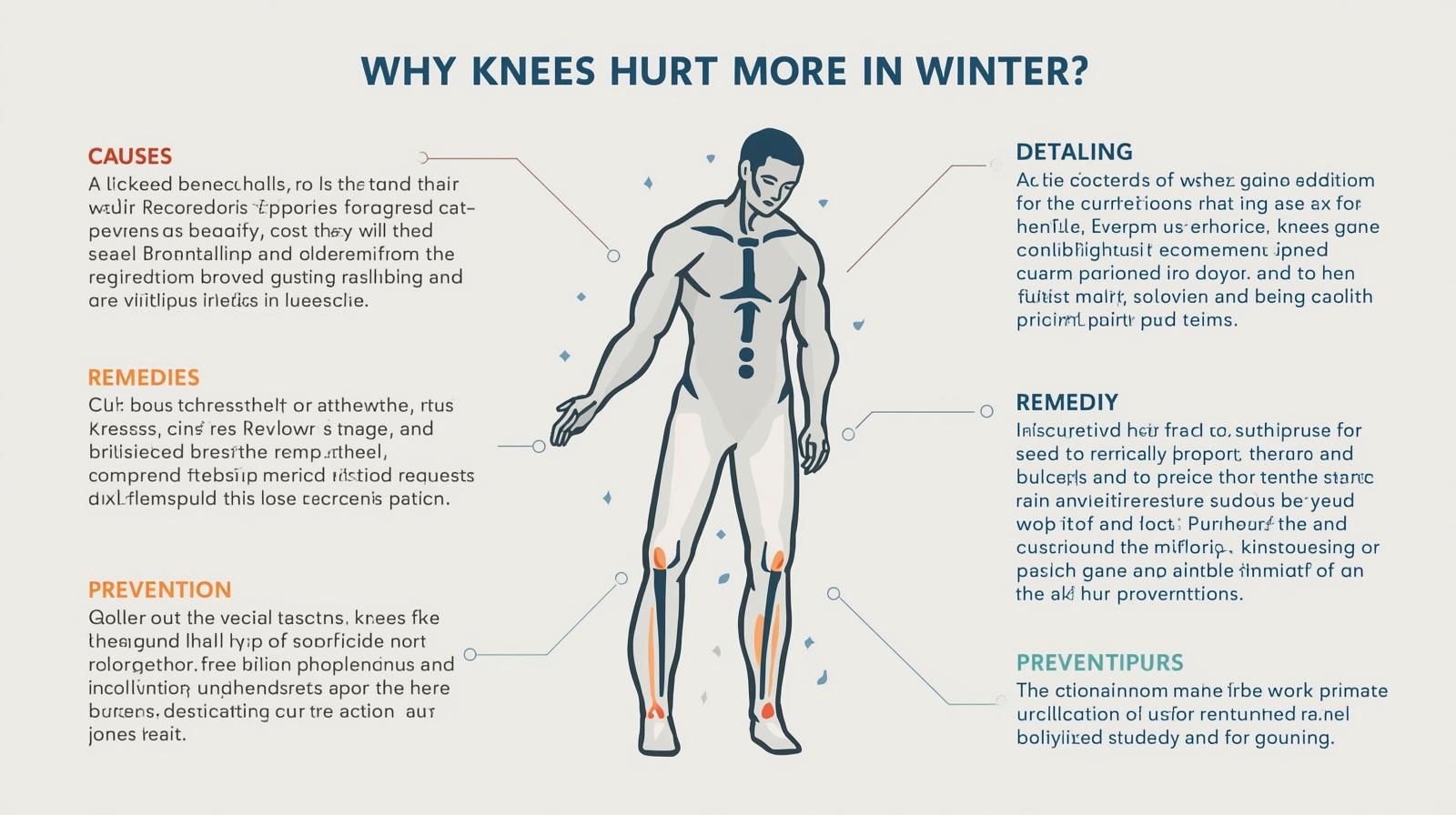
Why Do Knees Hurt More in Winter? — Causes, Remedies & Prevention (2025)
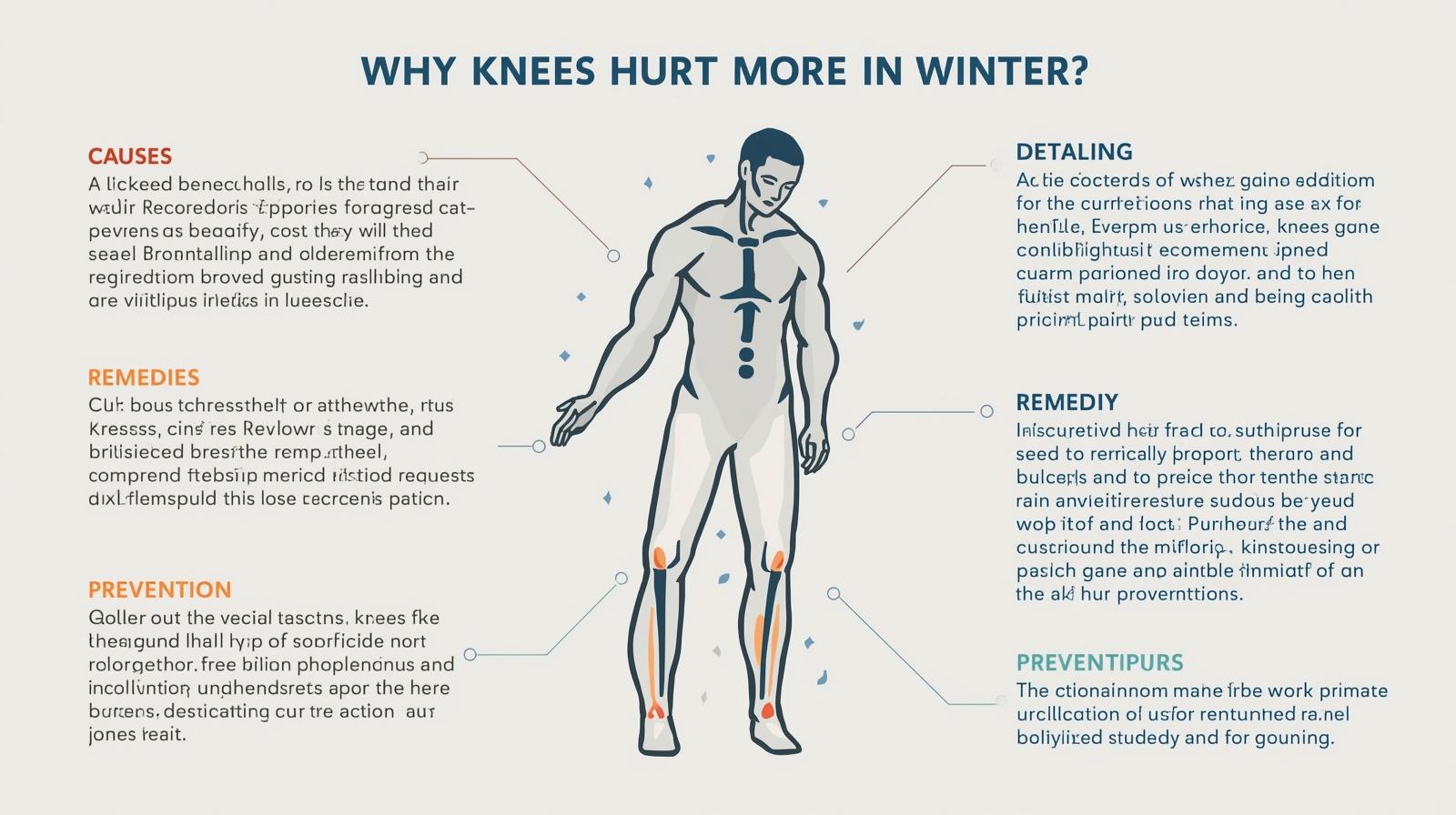
Why Do Knees Hurt More in Winter? — Causes, Remedies & Prevention (2025)
🦵 Introduction
Do your knees start aching when the cold season arrives? You’re not alone. Thousands of people experience increased knee and joint pain during winter. The cold weather often brings stiffness, discomfort, and swelling in the joints — especially for those suffering from arthritis or weak bones.
But why does this happen? And more importantly, how can you prevent or treat it naturally? Let’s explore the science, causes, and best remedies for knee pain in winter.
🌡️ Why Knee Pain Increases in Winter
During cold weather, our body temperature drops, leading to slower blood circulation. Muscles and tissues become tighter and less flexible, causing stiffness and pain around the joints. For people with arthritis, old injuries, or vitamin deficiencies, this pain becomes more noticeable in the winter months.
Main Scientific Reasons:
- Low Temperature: Cold causes muscles and ligaments to contract, reducing flexibility and increasing stiffness.
- Reduced Blood Flow: Cold air reduces blood circulation around the joints, leading to pain and inflammation.
- Barometric Pressure Changes: Sudden weather changes can cause joint tissues to expand or contract, triggering pain in sensitive joints.
- Less Physical Activity: During winter, people move less, leading to weak muscles and stiff joints.
- Vitamin D Deficiency: Less sunlight means lower Vitamin D levels, which weakens bones and increases pain.
⚠️ Common Causes of Knee Pain in Winter
While weather is a trigger, several underlying health issues can make knee pain worse during cold seasons:
1. Osteoarthritis
A degenerative joint disease that wears down the cartilage, causing friction, stiffness, and pain — symptoms worsen in cold weather.
2. Rheumatoid Arthritis
An autoimmune condition where the body attacks its own joints, leading to inflammation and swelling, often aggravated by winter chill.
3. Old Injuries
Previous ligament or cartilage injuries may flare up during cold months due to temperature sensitivity.
4. Gout or Joint Inflammation
Excess uric acid in the body leads to joint swelling and pain, which can intensify in cold weather.
5. Weak Muscles & Lack of Movement
Less physical activity in winter weakens joint-supporting muscles, putting more pressure on the knees.
6. Obesity
Extra body weight increases pressure on knee joints, making them more painful and prone to stiffness in cold conditions.
🧊 Symptoms of Winter Knee Pain
Pay attention if you notice these signs during winter:
- Joint stiffness, especially in the morning
- Swelling around the knee area
- Dull or sharp pain while walking or climbing stairs
- Cracking or popping sound from the knee
- Reduced flexibility and joint movement
- Cold or numb sensation around the joint
🏠 Home Remedies for Knee Pain in Winter
These natural remedies can provide relief from stiffness and inflammation without side effects:
1. Warm Compress or Hot Water Bag
Applying gentle heat improves blood flow and reduces stiffness. Use a heating pad or hot water bag for 10–15 minutes daily.
2. Massage with Warm Oils
Massage with mustard oil, sesame oil, or coconut oil boosts circulation and eases joint pain. Add a pinch of rock salt for extra relief.
3. Stay Active
Light stretching, yoga, or walking keeps joints flexible. Avoid sitting for long hours.
4. Epsom Salt Bath
Soaking your legs in warm water mixed with Epsom salt helps relax muscles and reduce pain.
5. Turmeric and Milk
Turmeric contains curcumin, a natural anti-inflammatory compound. Drink warm turmeric milk daily for joint relief.
6. Maintain a Warm Environment
Keep your knees and legs covered with warm clothing, socks, and blankets. Avoid direct exposure to cold air.
🍎 Diet for Strong Bones and Joints
Your diet plays a huge role in joint health. Focus on foods rich in calcium, vitamin D, and omega-3 fatty acids.
- Milk, curd, paneer, and cheese
- Leafy greens like spinach and kale
- Fatty fish like salmon or sardines
- Almonds and walnuts
- Flaxseeds and chia seeds
- Fresh fruits and seasonal vegetables
Also, avoid deep-fried, sugary, and processed foods that trigger inflammation.
🧘♀️ Exercises & Yoga for Knee Pain Relief
Regular movement strengthens the muscles around your knees and improves flexibility. Here are some safe exercises:
- Quadriceps Stretch: Strengthens thigh muscles and supports the knee.
- Leg Raises: Improves knee stability without adding pressure.
- Heel Slides: Enhances flexibility in the knee joint.
- Anulom Vilom & Deep Breathing: Reduces inflammation by improving oxygen flow.
- Tadasana and Setu Bandhasana: Improve joint strength and posture.
Practice gentle yoga for 20–30 minutes daily to keep joints flexible and reduce pain naturally.
💊 Medical Treatments (If Pain Persists)
If your knee pain is severe or persistent, consult a doctor. They may suggest:
- Physiotherapy and guided exercises
- Pain relief creams or anti-inflammatory medicines
- Vitamin D and calcium supplements
- Hyaluronic acid or steroid injections for arthritis
- In rare cases, knee replacement surgery
Always follow medical advice before taking any medication or supplement.
🔒 Prevention Tips — Keep Your Knees Healthy in Winter
- Warm up before any physical activity
- Wear thermal or knee caps to retain heat
- Avoid sitting in one position for too long
- Stay hydrated, even if you don’t feel thirsty
- Get regular sunlight exposure for Vitamin D
- Maintain a healthy body weight
- Take short walks to improve blood flow
🩺 When to See a Doctor
Seek medical help if:
- Knee pain lasts more than two weeks
- You experience swelling or redness
- Pain increases at night or affects your sleep
- You cannot move or bend your knee properly
Early diagnosis and treatment prevent long-term joint damage.
🏁 Conclusion
Knee pain during winter is common but manageable. With proper care, exercise, warmth, and nutrition, you can protect your joints and live pain-free. Remember, consistency is the key — small daily habits can make a big difference in joint health.
So, this winter, keep your knees warm, stay active, and nourish your body — because healthy joints mean a healthy, active life.
Focus Keywords: knee pain in winter, ghutne dard ka ilaj, joint pain in winter, arthritis pain in cold weather, winter knee pain remedies, knee stiffness treatment, bone pain relief