


Why Stop-Loss is Crucial in Trading | Intraday & Options Guide (2025)
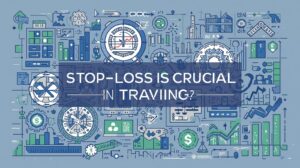
Why Stop-Loss is Crucial in Trading | Intraday & Options Guide (2025)
Why Stop-Loss is Crucial in Trading | Intraday & Options Guide (2025)
📌 What is a Stop-Loss?
A stop-loss is a pre-defined price level at which a trader automatically exits a losing trade to prevent further loss. It acts as a safety net to protect your capital in volatile markets.
💡 Why Stop-Loss is Essential
Stop-loss is not optional — it is a critical part of any trading strategy. Here’s why:
- Capital Protection: Without stop-loss, a small loss can turn into a huge loss in seconds.
- Risk Management: Controls how much you lose per trade, usually 1–2% of your capital.
- Emotional Discipline: Prevents emotional decisions like panic selling or revenge trading.
- Consistency: Helps maintain long-term profitability by cutting losses early.
- Focus on Strategy: Allows you to follow your trading plan without worrying about market swings.
📊 Example: How Stop-Loss Saves You
Imagine you buy a stock at ₹500 with a 5% stop-loss:
- Stop-Loss Price: ₹475
- If price drops below ₹475, the system automatically exits the trade.
- Without stop-loss, you may panic and hold until ₹450, losing more than planned.
🧠 Stop-Loss in Different Trading Styles
- Intraday Trading: Stop-loss prevents small losses from becoming large in volatile intraday moves.
- Options Trading: Options can move rapidly; stop-loss limits capital erosion.
- Swing Trading: Protects against unexpected reversals in overnight trades.
- Long-Term Investing: Even for long-term investors, stop-loss ensures proper risk management in extreme market events.
💡 Tips for Effective Stop-Loss
- Always set stop-loss before entering a trade.
- Determine stop-loss based on support/resistance levels or volatility.
- Don’t move your stop-loss impulsively — stick to your plan.
- Use trailing stop-loss for winning trades to lock profits.
- Combine stop-loss with position sizing to manage overall risk.
⚠️ Common Mistakes Traders Make
- Skipping stop-loss due to overconfidence
- Setting it too tight — causing frequent stop-outs
- Setting it too wide — risking too much capital
- Ignoring market volatility when placing stop-loss
🏁 Conclusion — Never Trade Without Stop-Loss
Stop-loss is the most important tool in trading. It protects your capital, manages risk, enforces discipline, and ensures long-term survival in the market. Whether you trade intraday, options, or swing, **never enter a trade without defining your stop-loss**. It’s not just a rule — it’s a lifesaver for every trader.
Focus Keywords: stop-loss trading, importance of stop-loss, intraday risk management, options trading 2025, stop-loss strategy, trading discipline, protect capital trading